Zhongshan Bridge · Rainbow Mountains · Mati Temple · Jiayuguan, the Wall’s western end · Mogao Grottoes · camels at Crescent Lake — the ancient Silk Road down the Hexi Corridor, now stitched together by bullet train.
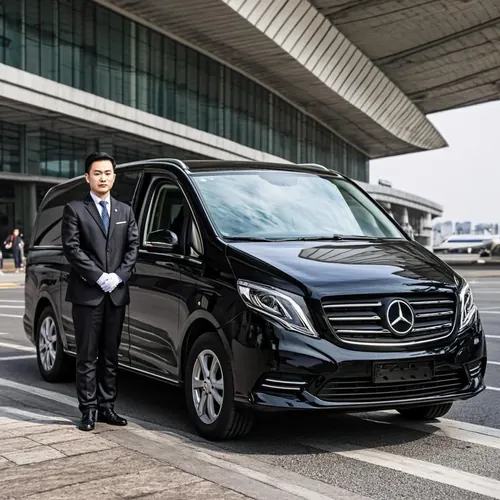
Your English-speaking guide and chauffeur greet you at Lanzhou Zhongchuan International Airport arrivals, welcome sign in hand. On the hour-long ride into the city your guide walks you through the week ahead — train times, ticket logistics, what to pack for the desert — and settles you into your hotel on the banks of the Yellow River, the river that gives this city its life.
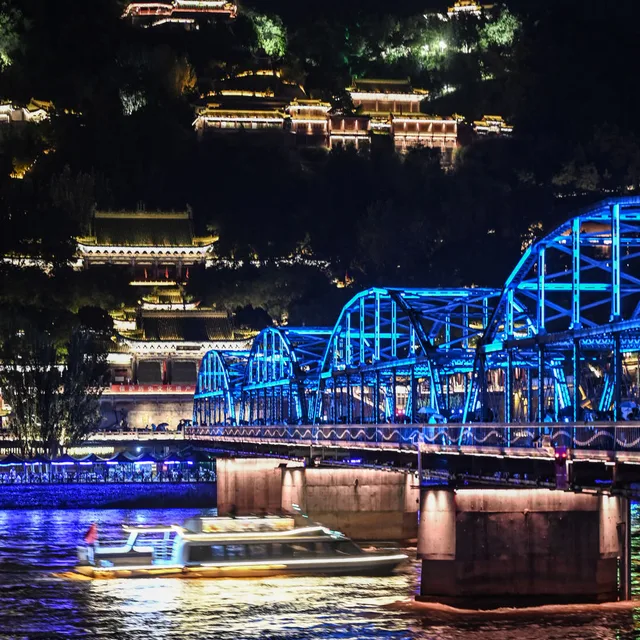
Lanzhou is the only major Chinese city the Yellow River actually flows through, and it wears the title proudly. Stroll Zhongshan Bridge — the ‘First Bridge over the Yellow River’, its iron trusses shipped from Germany in 1907 and assembled bolt-by-bolt over two years. Cross to White Pagoda Hill for the classic view of brown water churning under the bridge, the old waterwheels still turning on the far bank, and the whole noodle-scented city stacked up the valley sides. In season, you can still see sheepskin rafts — the Han-dynasty mode of river transport — ferrying passengers across.
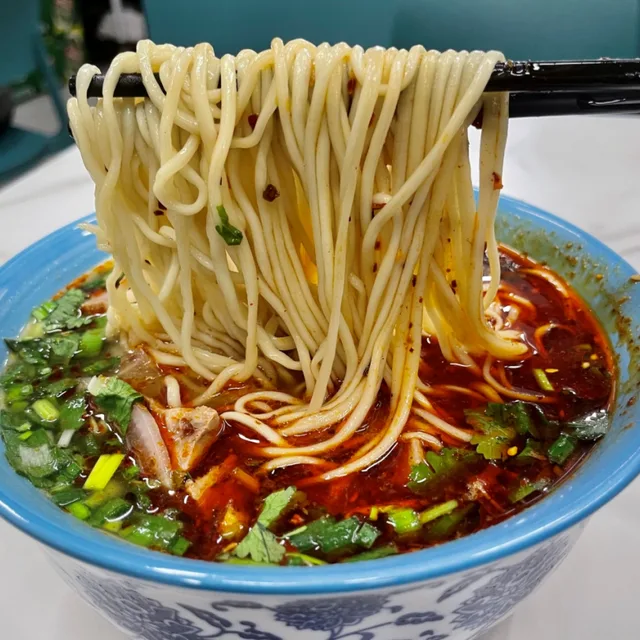
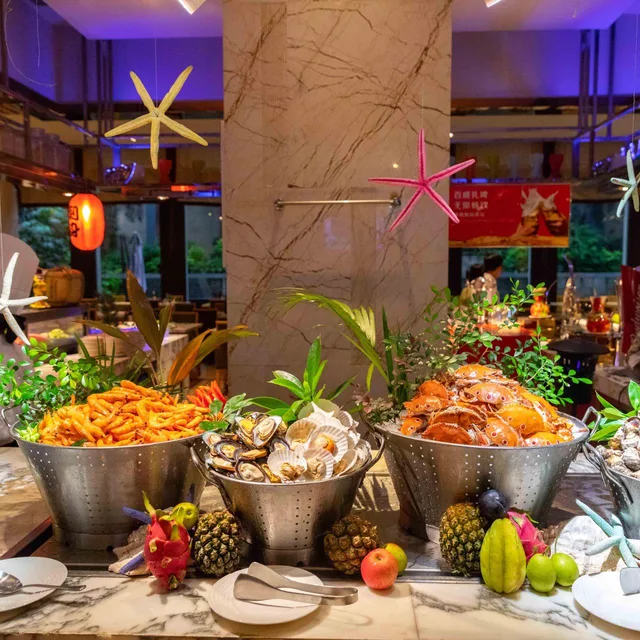
Lanzhou beef noodles are less a dish than a civic religion: broth simmered from morning, dough hand-pulled to order into nine grades of thickness (order them ‘mao x’ — thin as a cat’s whisker — if you dare), finished with red chili oil, radish, coriander and tender beef slices. The rule of the city: the best bowls are gone by early afternoon. Your guide takes you to a proper old-school noodle house for your welcome dinner, and toasts the week ahead.
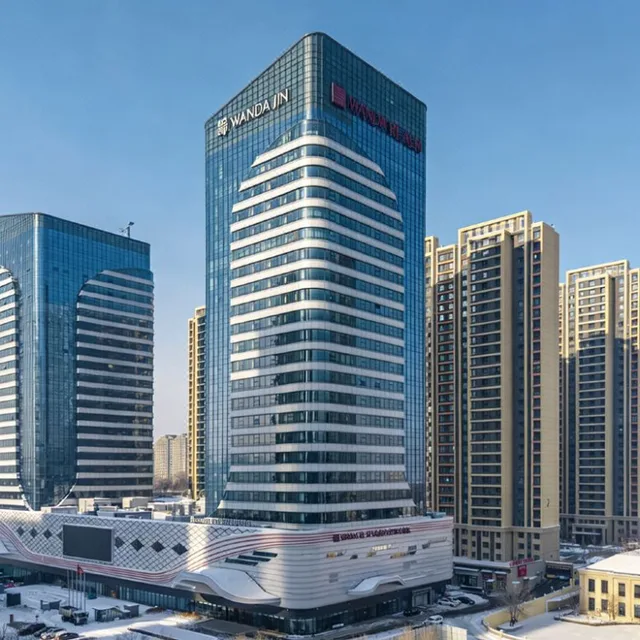
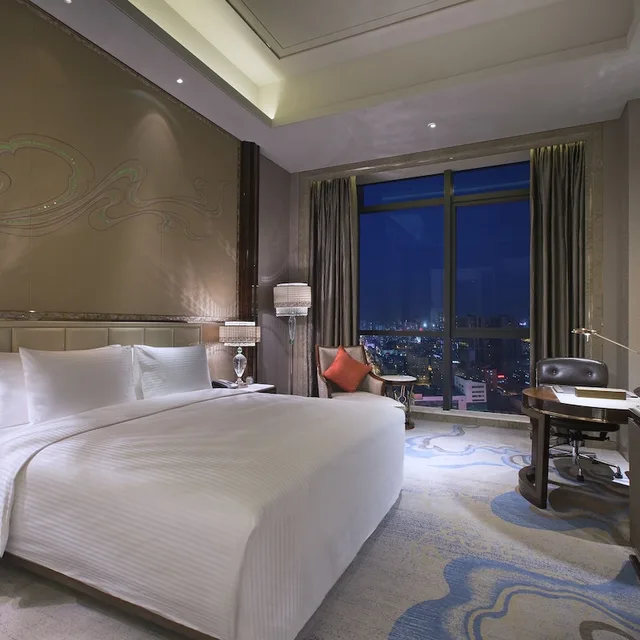
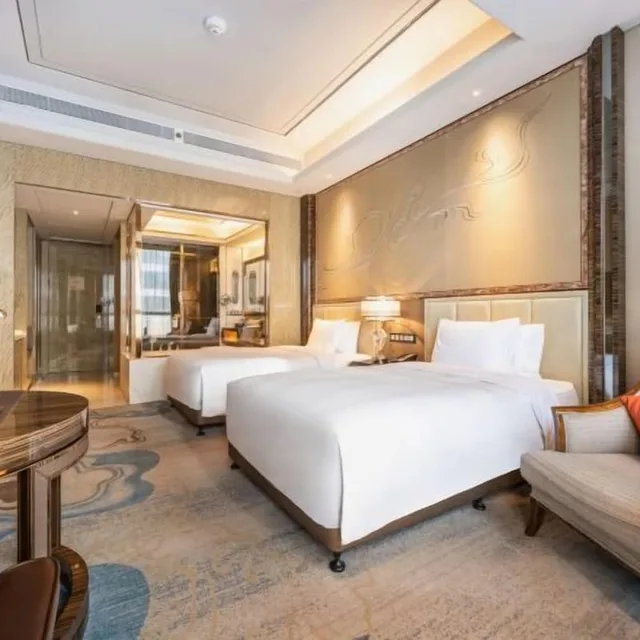
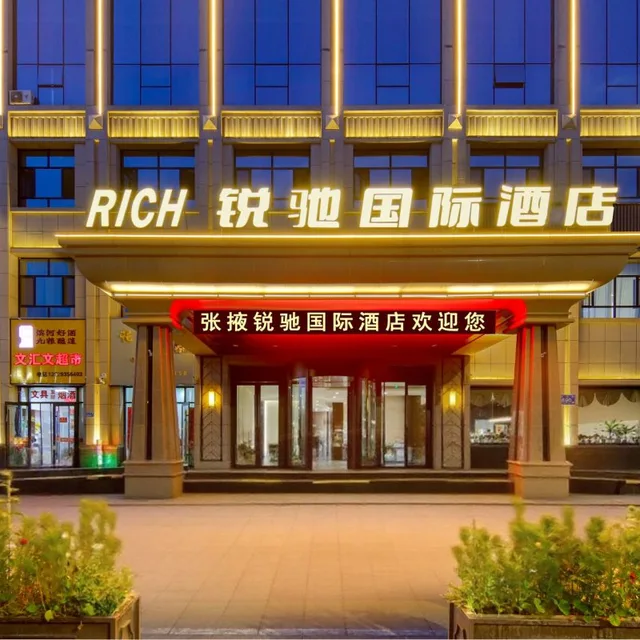
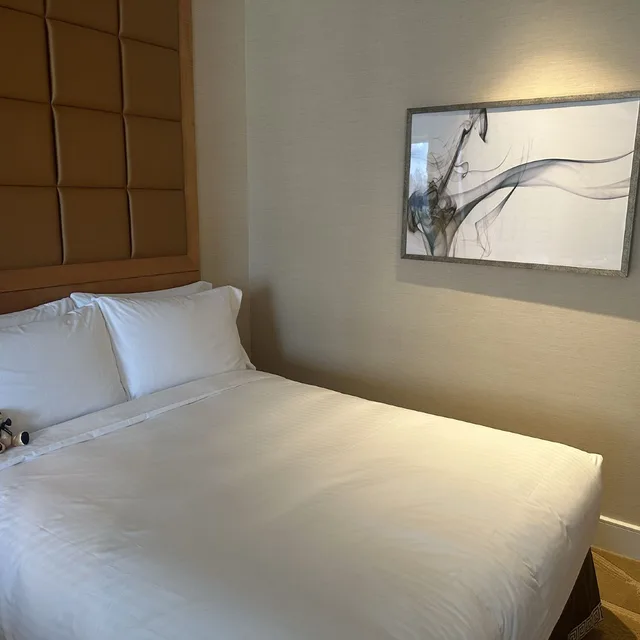
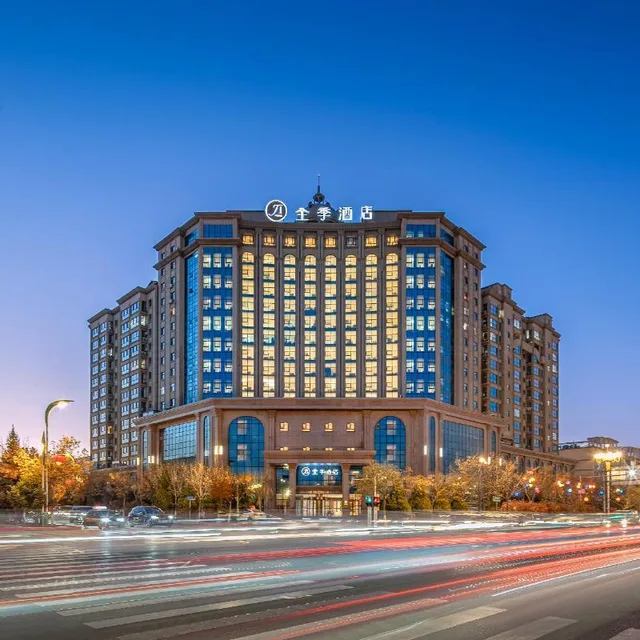
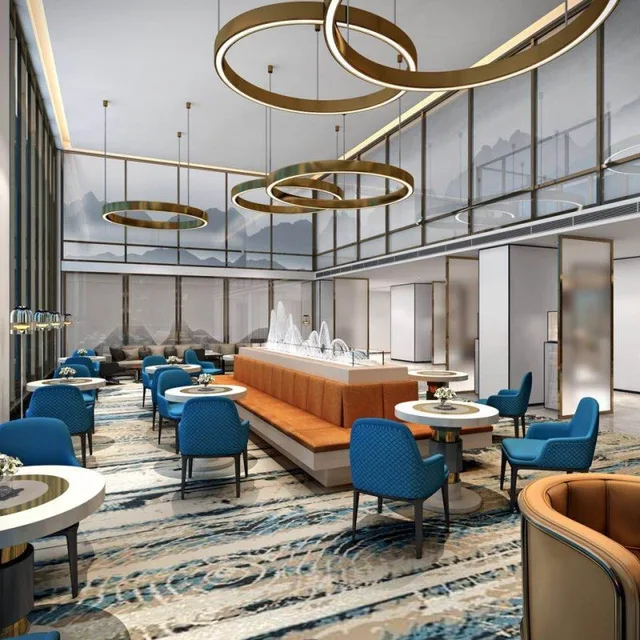
Wanda Vista Lanzhou or similar (5-star)
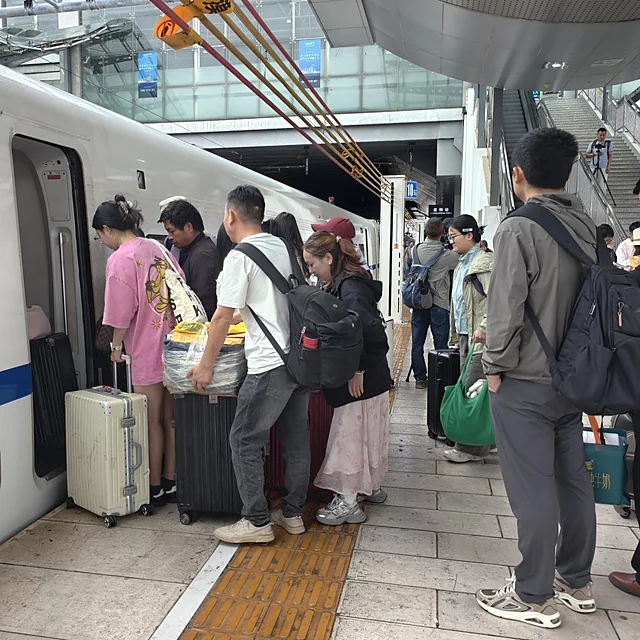
Two hours of bullet train at 250 km/h — the modern way down the very corridor the Silk Road caravans took. Sit on the right: the snow-capped Qilian Mountains ride alongside for the whole journey, glaciers feeding the oases that made life — and trade — possible out here. Watch the landscape tilt from farmland to gravel plain as you cross into old ‘West of the River’ country. Your driver meets you at Zhangye West station with lunch on tap.
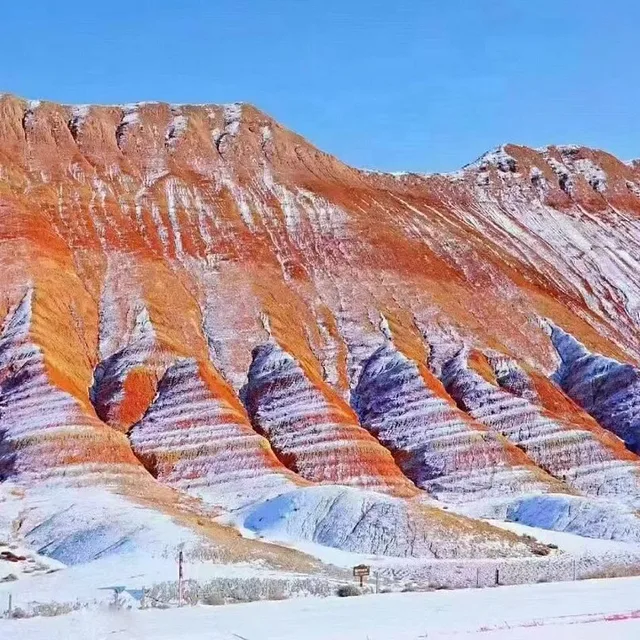
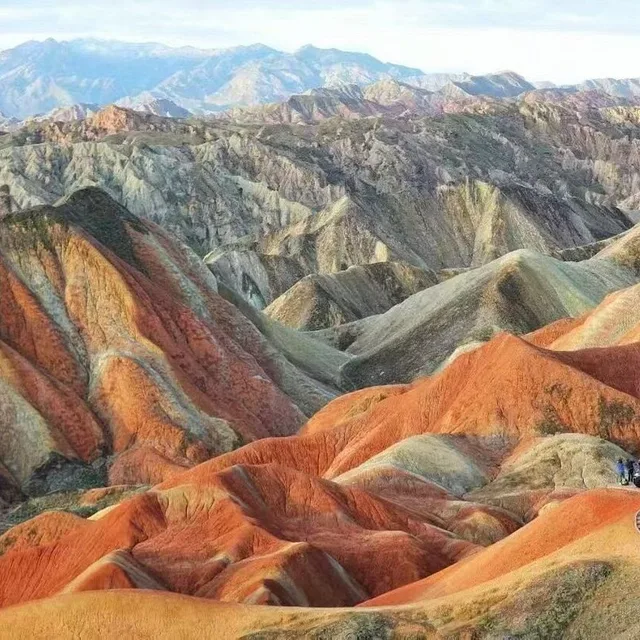
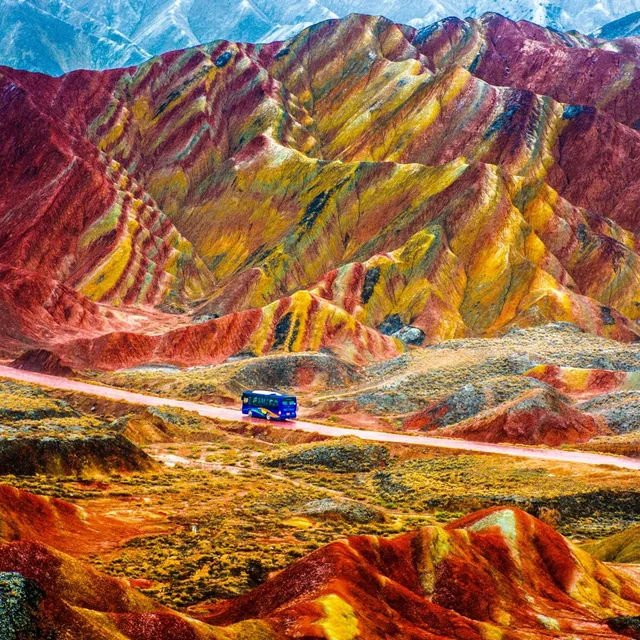
The Rainbow Mountains: 24 million years of mineral-stained sandstone — iron for red, sulphur for yellow, manganese for the bruised purples — squeezed into steep, tilted bands that geologists read like tree rings. You will be timed for the late-afternoon light, when the low sun sets the whole ridge alight and tour groups are thinning out, hopping between the four main viewing platforms. Bring a wide lens: the panorama from Platform 4, hills rolling away like a stormy sea frozen mid-wave, is one of the great photo moments in China.
Return to Zhangye for the night. Ask your guide for the local specialty — hand-rolled ‘fish noodles’ (cuoyu mian), pinched into little fish shapes and served in a bright vinegar broth, or a warming plate of Zhangye-style braised chicken with flatbread.
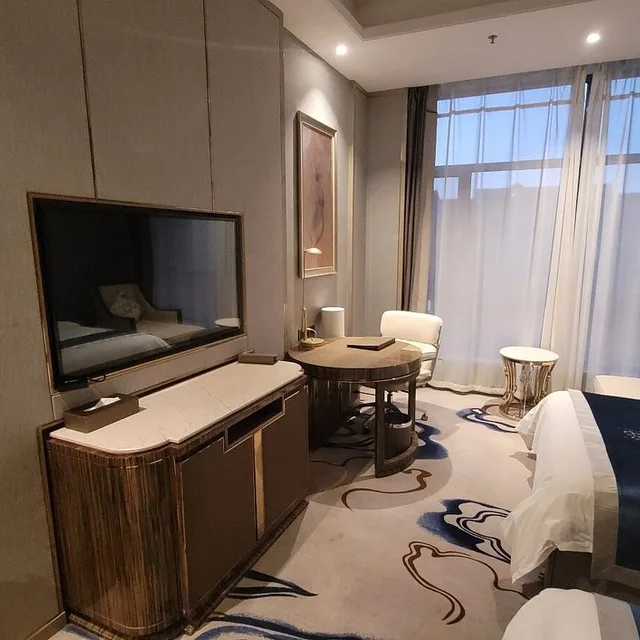
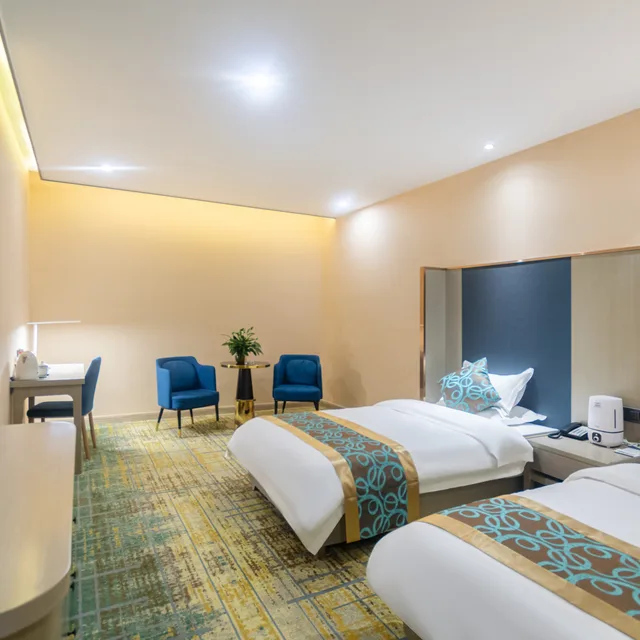
Zhangye Hotel or similar (best in city)
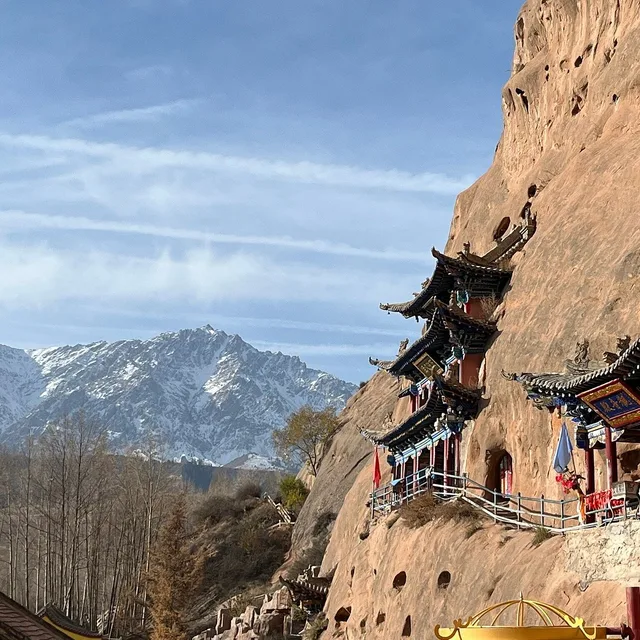
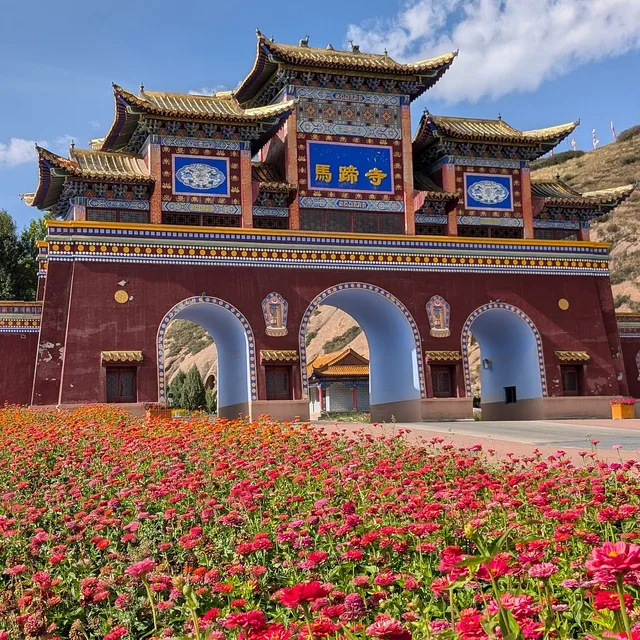
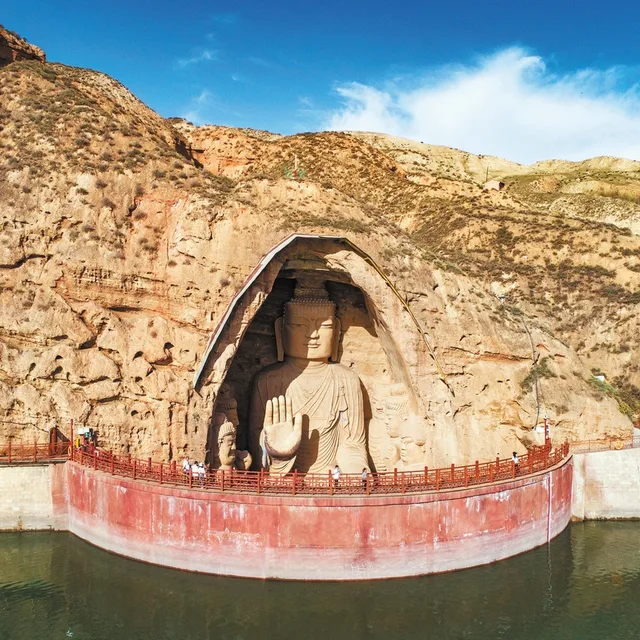
An hour south of Zhangye the road runs out into grassland beneath the Qilian range, and the red cliff of Mati (‘Horse Hoof’) Temple rises out of nowhere — some seventy grottoes and monastery halls carved directly into the rock face, begun 1,600 years ago by monks of the Yugur and Tibetan traditions. The name comes from a legend: a heavenly horse left its hoofprint here, still shown in one shrine. This is Mogao’s wild cousin — no queues, no glass: you climb in-cliff staircases and tunnel through the rock itself between painted shrines, popping out onto ledges with the snow mountains spread behind you.
A short hop down the corridor to Jiayuguan — for 500 years the last outpost of imperial China, the city beyond which lay only desert and exile. Evening at leisure; your hotel is minutes from the fortress.
A quiet frontier-city evening — good BBQ lamb and cold desert beer if you fancy it. Rest up: the Wall comes at you first thing tomorrow.
Jiayuguan Hotel or similar (best in city)
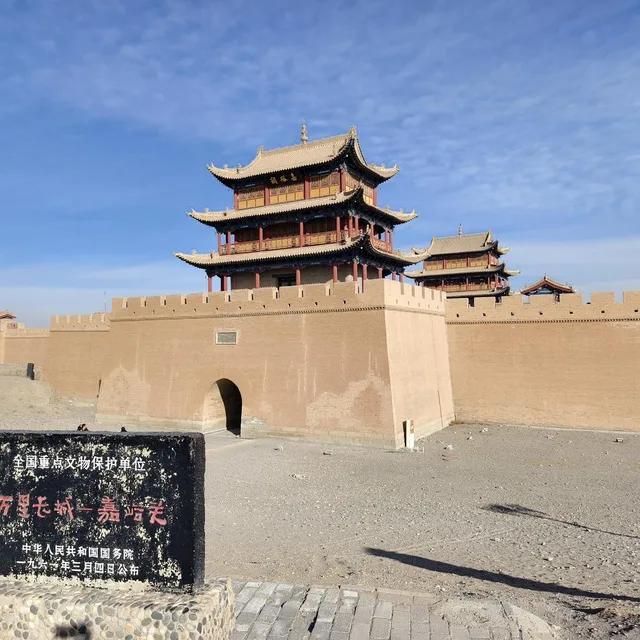
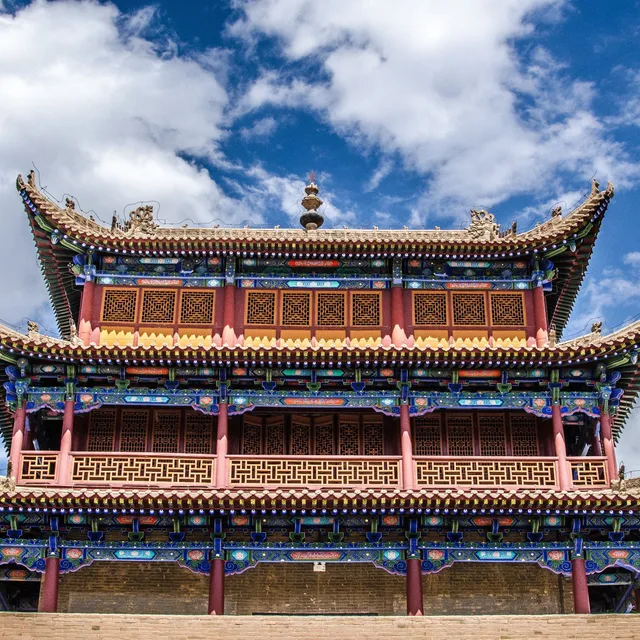
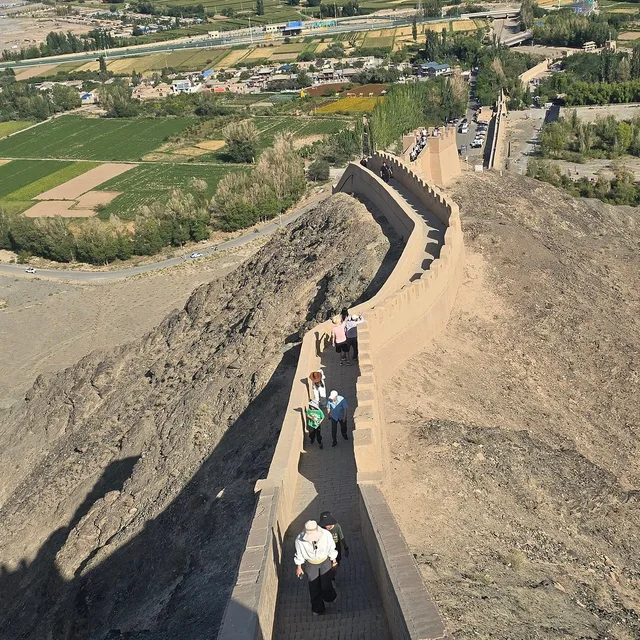
The ‘First and Greatest Pass Under Heaven’, raised in 1372 from rammed yellow earth and grey brick at the exact point where the Ming dynasty decided China should end — the Qilian snow to the south, the Black Mountain to the north, and the Gobi rolling away west. It is the oldest and best-preserved of the great military forts, and legend claims the master builder used exactly one brick too many (it still sits, unused, on a ledge by the west gate — ask your guide to point it out). Climb the tower for the classic three-defence-line view, then out to the Overhanging Wall riding its steep ridge like a miniature, crowd-free Badaling.
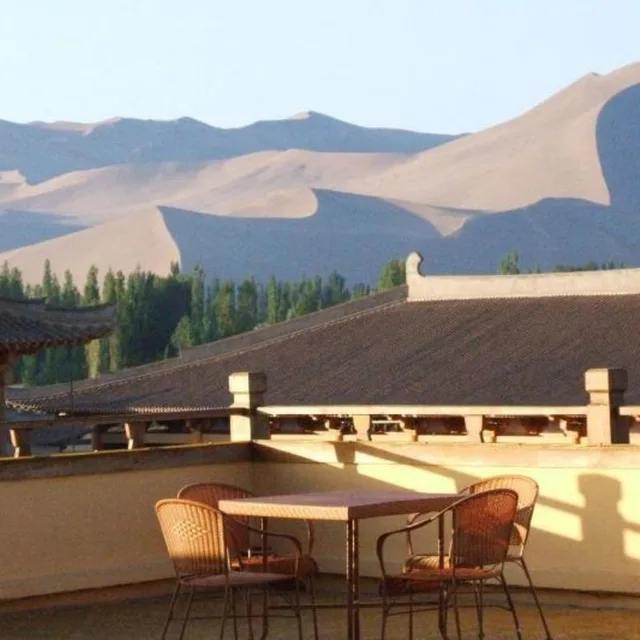
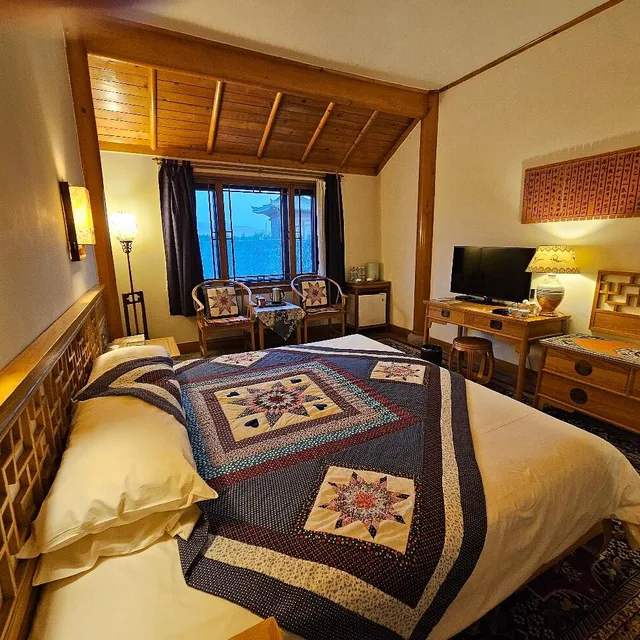
The last rail hop of the corridor: black-gravel Gobi flashing past the window, wind farms turning on the horizon, and then the improbability of Dunhuang — a green oasis dropped into the sand, fed by snowmelt from a thousand kilometres of mountains. Check in to the fortress-style Silk Road Dunhuang Hotel, adobe walls and courtyard lanterns straight out of a caravan romance.
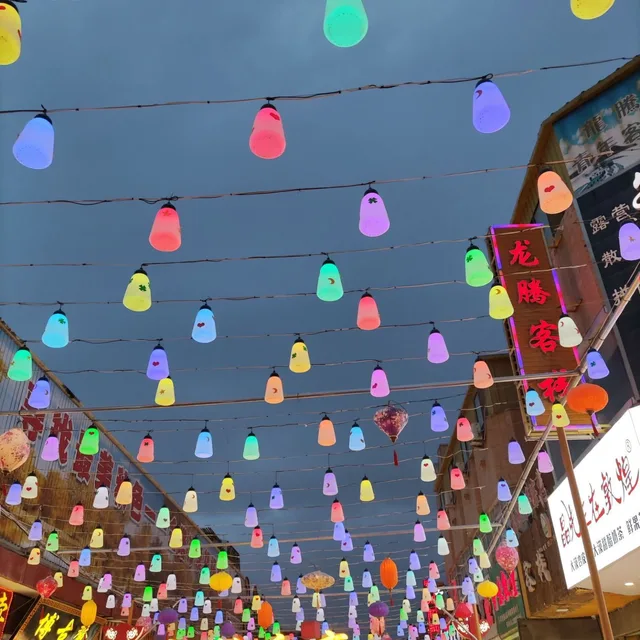
Dunhuang’s night market is the best eating street on the route: whole lambs turning over coals, apricot-peel water iced in the local style, ‘donkey noodles’ (huang mian) pulled to order, and stalls of roasting nuts and honey-candied fruit under strings of lanterns. Eat your way down the street, then walk it off under the desert stars.
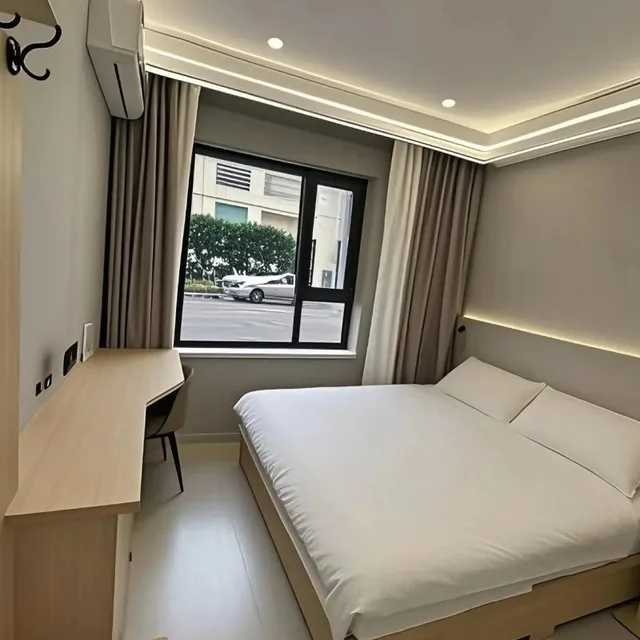
The Silk Road Dunhuang Hotel or similar (4-star boutique)
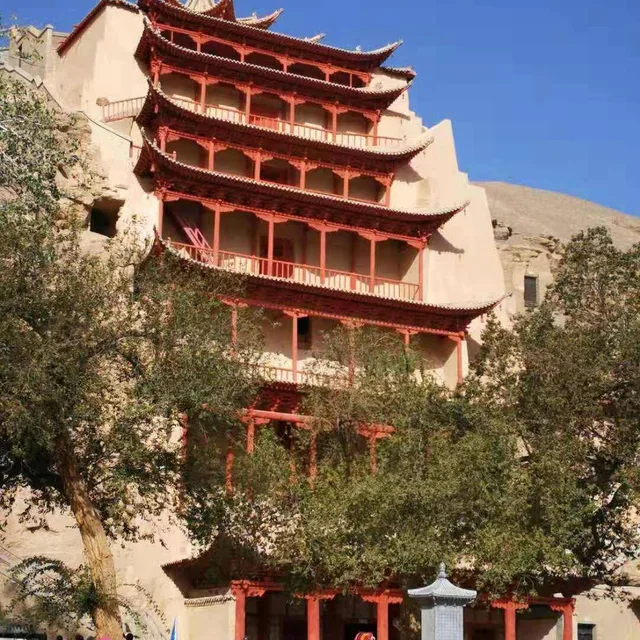
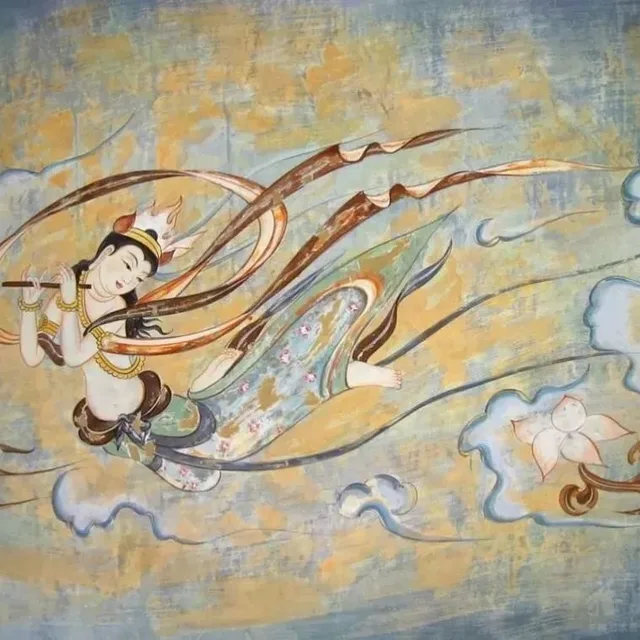
In 366 AD a monk named Le Zun saw a vision of golden light on this cliff face and began carving; a thousand years of merchant caravans kept going, funding cave after cave as insurance for the desert crossing. The result: 492 decorated caves holding 45,000 square metres of murals and 2,400 painted sculptures — the greatest art gallery of the Silk Road. Your Category A ticket (limited daily, pre-booked) starts with two dome-cinema films, then eight caves with a resident academy guide — including the nine-storey pavilion raised over Cave 96’s 35.5-metre Maitreya Buddha. Cameras stay in the lockers: these walls have survived 1,600 years of desert, and your eyes are the only lens that needs to see them.
Out of the midday heat — the desert punishes the hours between one and four. Rest at the hotel, or poke through Dunhuang’s small museum quarter and its streets of grape trellises; this is China’s sunniest town, and the melons prove it.
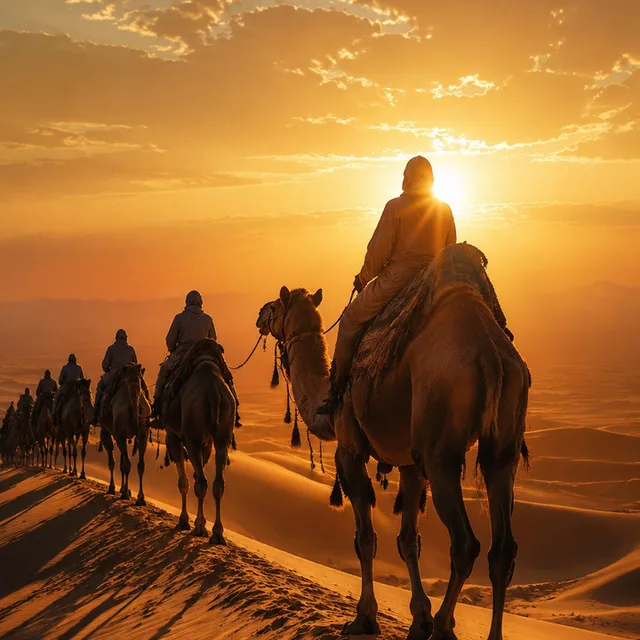
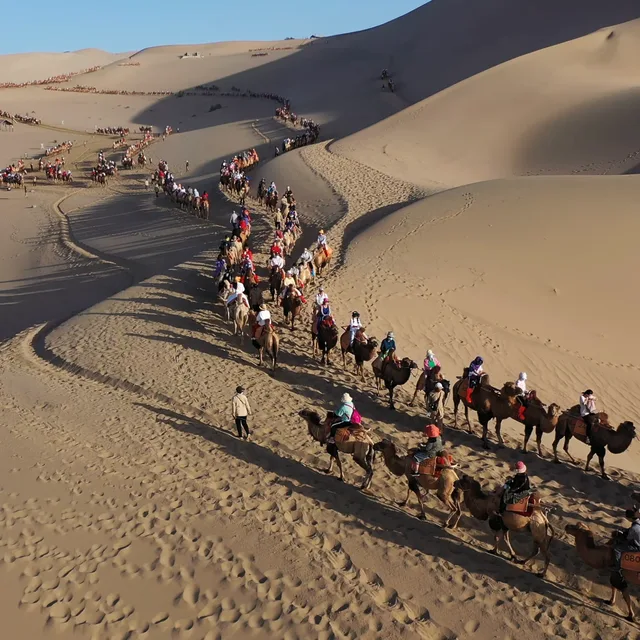
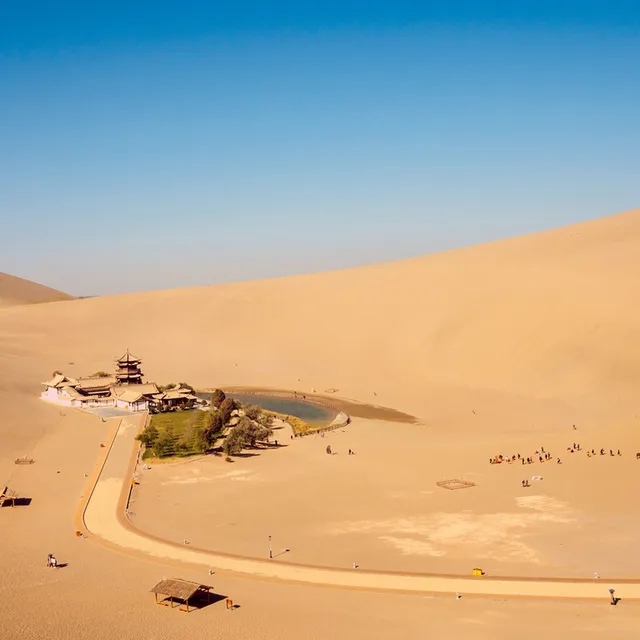
As the light goes gold, mount up: a camel caravan over the Singing Dunes, bells clanking, exactly as caravans have crossed this sand for two millennia (the dunes really do sing — a low hum when the wind combs the crest). At the heart of the dune field lies Crescent Lake, a sickle of green water and Han-dynasty pavilions that the desert has somehow failed to swallow for 2,000 years. Climb the crest for sunset over the oasis with a cup of tea, then descend by twilight — or by sand-slide, if the mood takes you.
The Silk Road Dunhuang Hotel or similar (4-star boutique)
No alarm, no checkout sprint — the last morning belongs to the oasis. Take breakfast slow with the dunes on the horizon, pick up a bag of Dunhuang’s famous dried apricots and jujube honey for the folks back home, and give the lanes one last wander past the grape trellises. When you are ready, your driver transfers you to Dunhuang Mogao International Airport (a short 15-minute ride), timed to your flight. Six days, one corridor: you started on the Yellow River and finished at the edge of the Taklamakan — the same road the caravans took, at rather better speed. Safe travels, and come back for the rest of the Silk Road.
One seamless journey, one transparent price — hotels with breakfast, English-speaking guide, all entrance tickets including the Mogao Category A ticket, three bullet-train hops, camel ride and private transfers included.
Private departure on any date · Solo travelers & all group sizes — request a tailored quote
Every itinerary is fully customizable. Tell us your dates, group size, and preferences — we'll handle the rest.
Plan Your Trip